
Tunisian Seafood Industry: High-Value Export Potential

A Strategic Sector for Tunisia’s Blue Economy
With more than 1,300 kilometers of coastline, Tunisia benefits from an exceptional maritime heritage that supports the development of its seafood industry. Fisheries, aquaculture, and seafood processing contribute to domestic supply while strengthening the international presence of Tunisian seafood products.
Driven by growing global demand for high-quality seafood, the sector represents a strategic opportunity to expand exports, attract investment, and capture greater value across the domestic value chain.
Key Figures
- More than 1,300 km of coastline provide Tunisia with privileged access to the Mediterranean.
- Tens of thousands of jobs depend directly or indirectly on fisheries, aquaculture, and seafood processing activities.
- Tunisian seafood products reach numerous international markets, particularly across Europe, Asia, and the Gulf region.
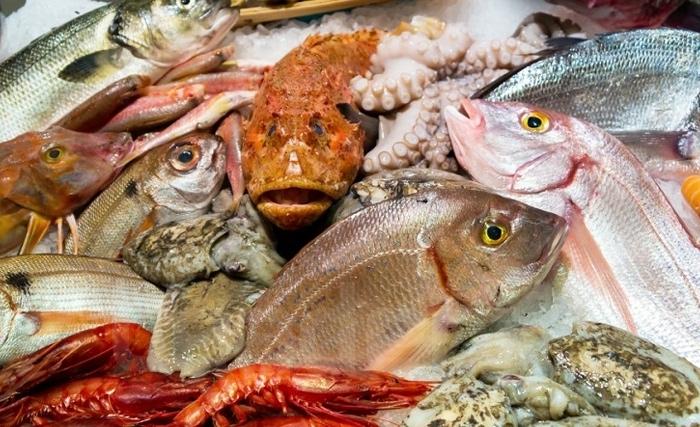
- Octopus, shrimp, tuna, sea bass, and farmed sea bream are among the products with strong export demand.
Competitiveness Challenges
Evolving international markets require companies across the sector to strengthen competitiveness through modern infrastructure, improved cold-chain management, industrial processing capabilities, product traceability, and compliance with international food safety standards.
Developing higher-value products, innovating processing methods, and diversifying export markets are becoming increasingly important drivers of sustainable growth.
Sustainable Development Opportunities
Aquaculture, value-added processing, quality certifications, supply-chain digitalization, and investment in the blue economy are opening new opportunities for Tunisian businesses.
These areas can improve productivity, strengthen sector resilience, and address growing international demand for quality, sustainability, and end-to-end traceability.
A Sector with Strong Investment Potential
Tunisia’s seafood industry benefits from solid structural advantages: a strategic geographic position, established expertise, diversified marine resources, and close proximity to major European markets.
Accelerating investment in processing, innovation, aquaculture, cold-chain infrastructure, and premium product development can strengthen the sector’s long-term competitiveness while creating greater value for the Tunisian economy.
The opportunity extends beyond the export of raw seafood: building